Polonium
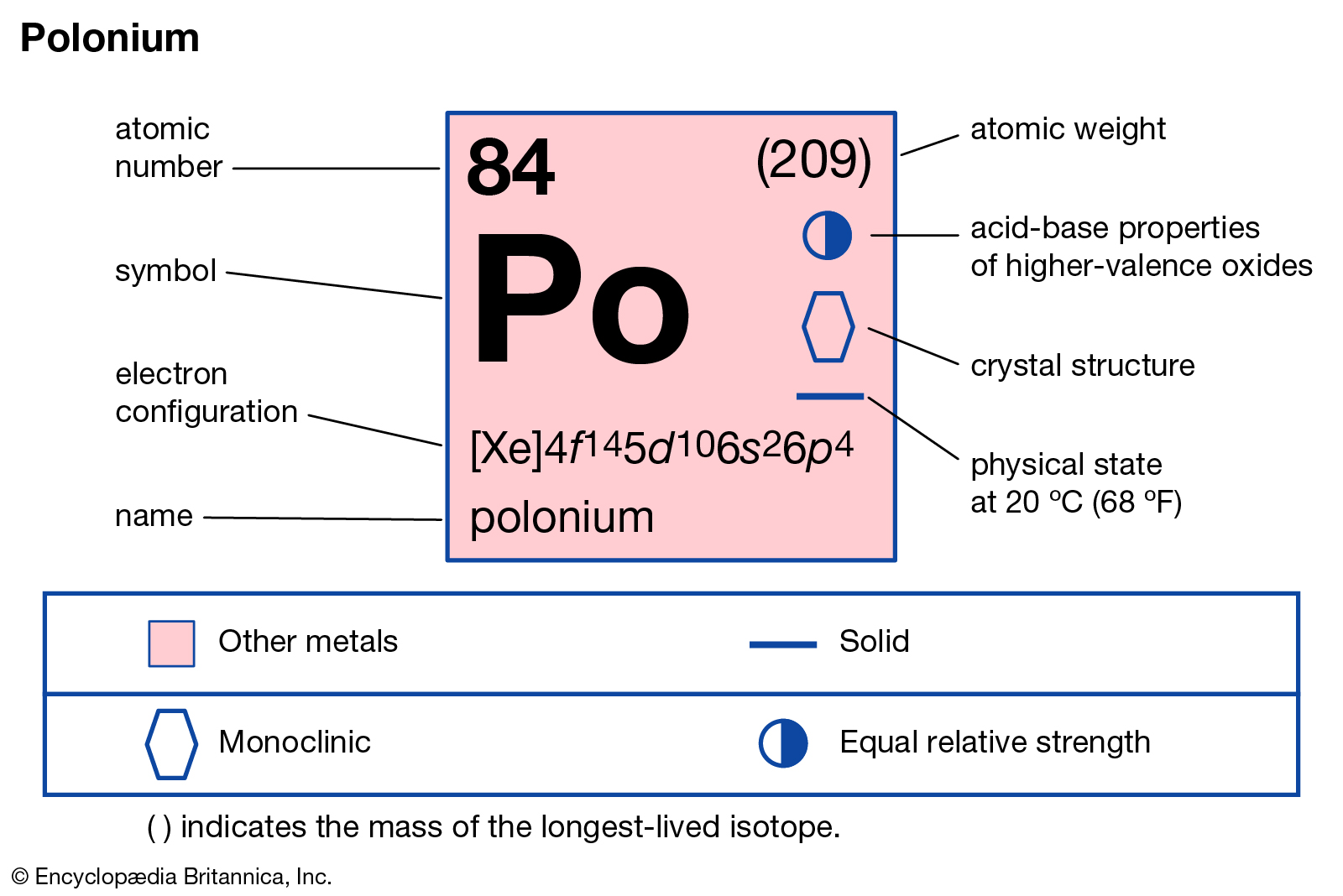
Atomic Number: 84
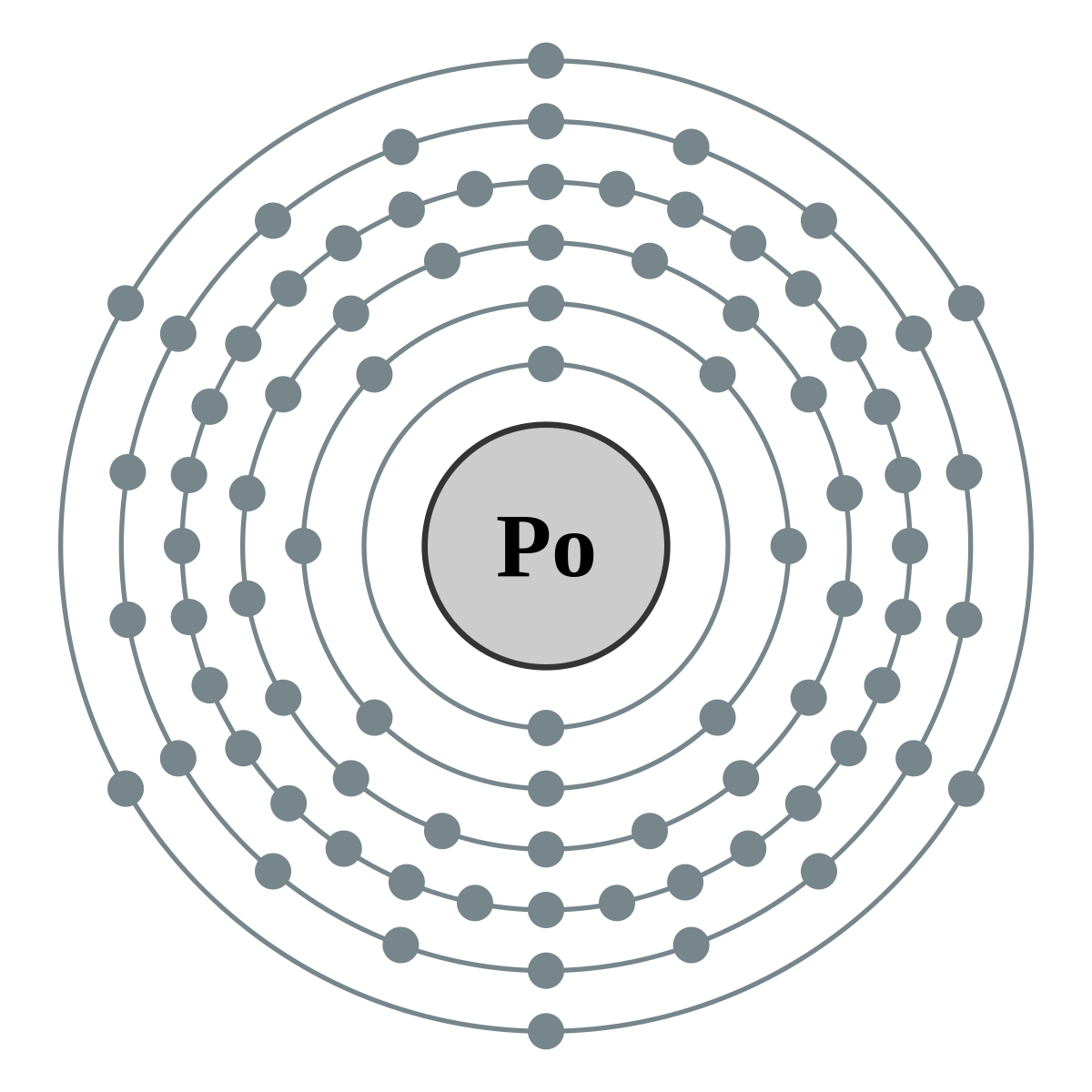
Polonium is the 84th element in the periodic table and it is the last known post-transition metal in the whole table. It is a rare and highly radioactive metal with no stable isotopes. Polonium is chemically similar to selenium and tellurium. Polonium doesn't have many uses but it is sometimes used to remove static electricity in machinery. In early nuclear weapons, poeple would use polonium-beryllium to trigger a burst of neutrons (the explosion). Polonium-210 decays into lead-205 and has a half-life of 140 days. Polonium is found under the ground in uranium ores. All of the polonium is produced in Russia. Though, it is hard to find and isn't financially benifiting if you try to extract polonium from these ores (because the extraction process is dificult). Therefore, polonium can be made by bombarding bismuth-209 with neutrons to give bismuth-210, which eventually decays into polonium. Polonium was discovered in 1898 by Marie and Pierre Curi, two Polish chemists. |
|