Lead
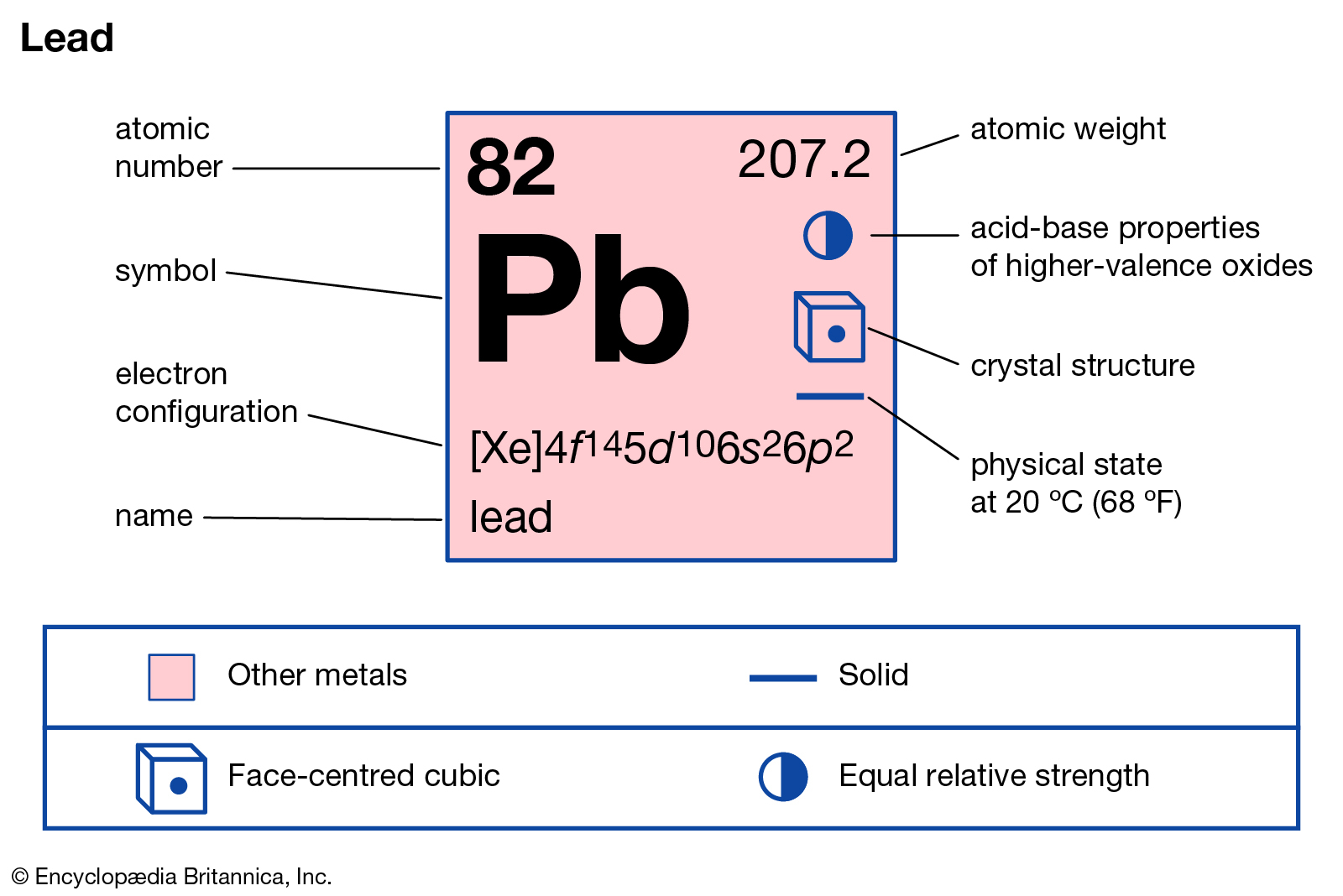
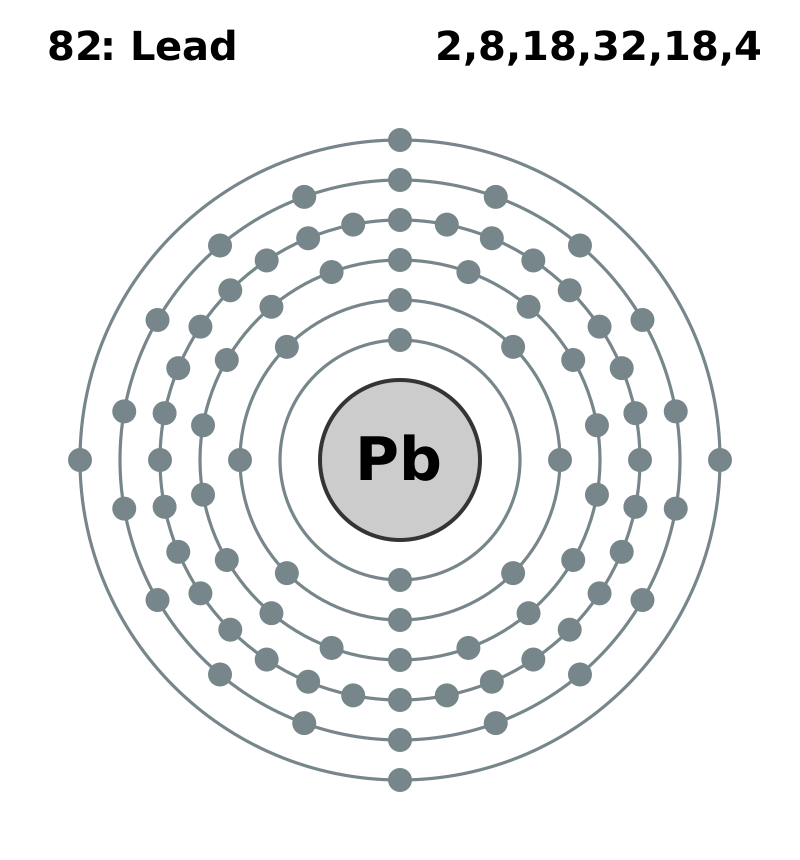
Atomic Number: 82
Lead is the 82nd element in the periodic table and it is one of the post-transition metals. It is a heavy metal that is denser than most other elements. Lead is soft and malleable, and also has a quite low melting point. It turns into a grey type color when exposed to air. Lead is used in many things such as car batteries, pigments, weights for lifting, and radiation protection. Lead is found in the ground in ores and minerals. It makes up only about 0.0013 percent of the Earth's crust. Though, it is not considered rare. The most abundant ore that lead is found in is galena. Lead can be found in the Earth's crust in its free form with zinc, silver, and copper. Lead was one of the earliest metals used so there is no known person that discovered it. Though, the romans are said to have used lead in 3000 B.C. |
|