Mercury
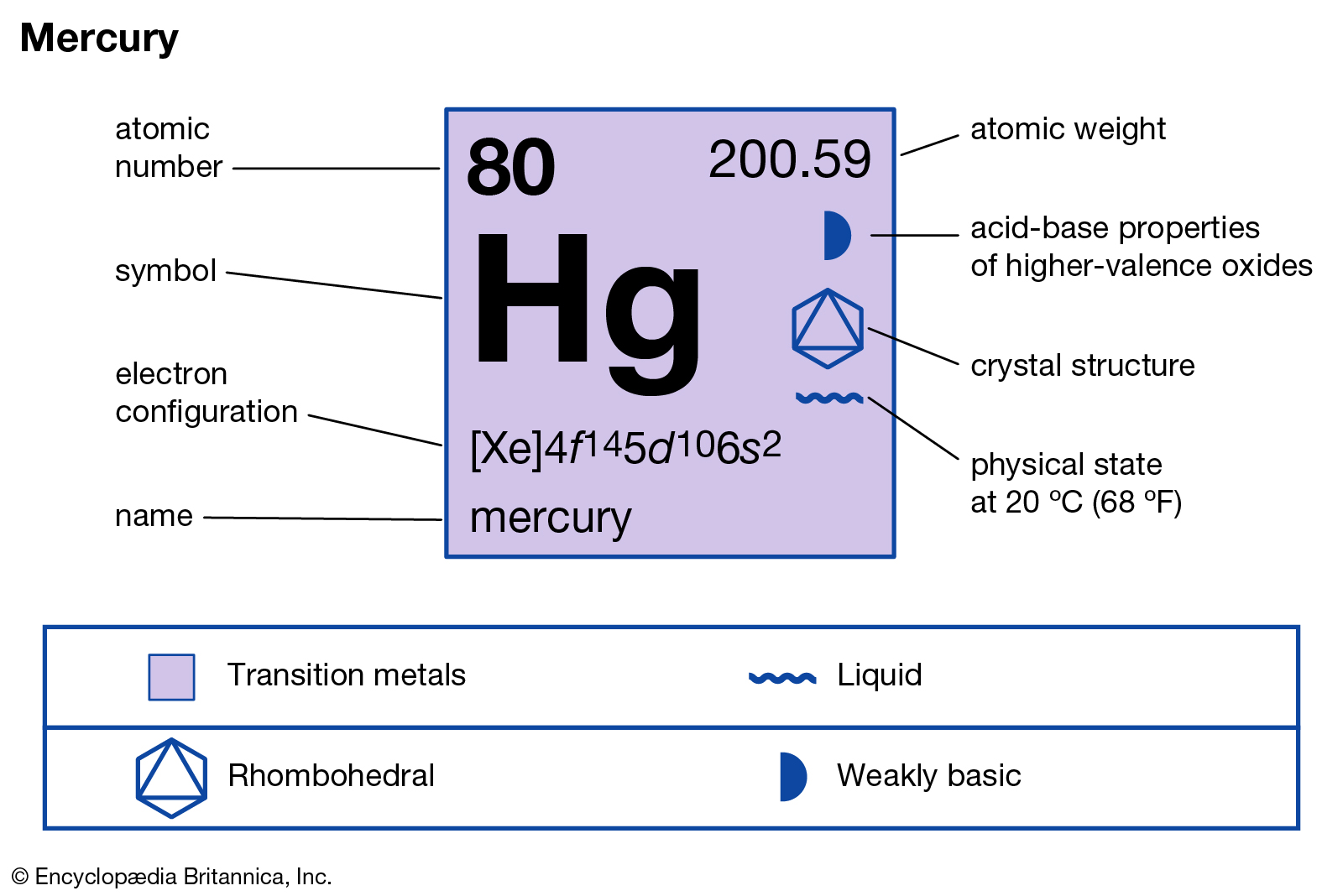
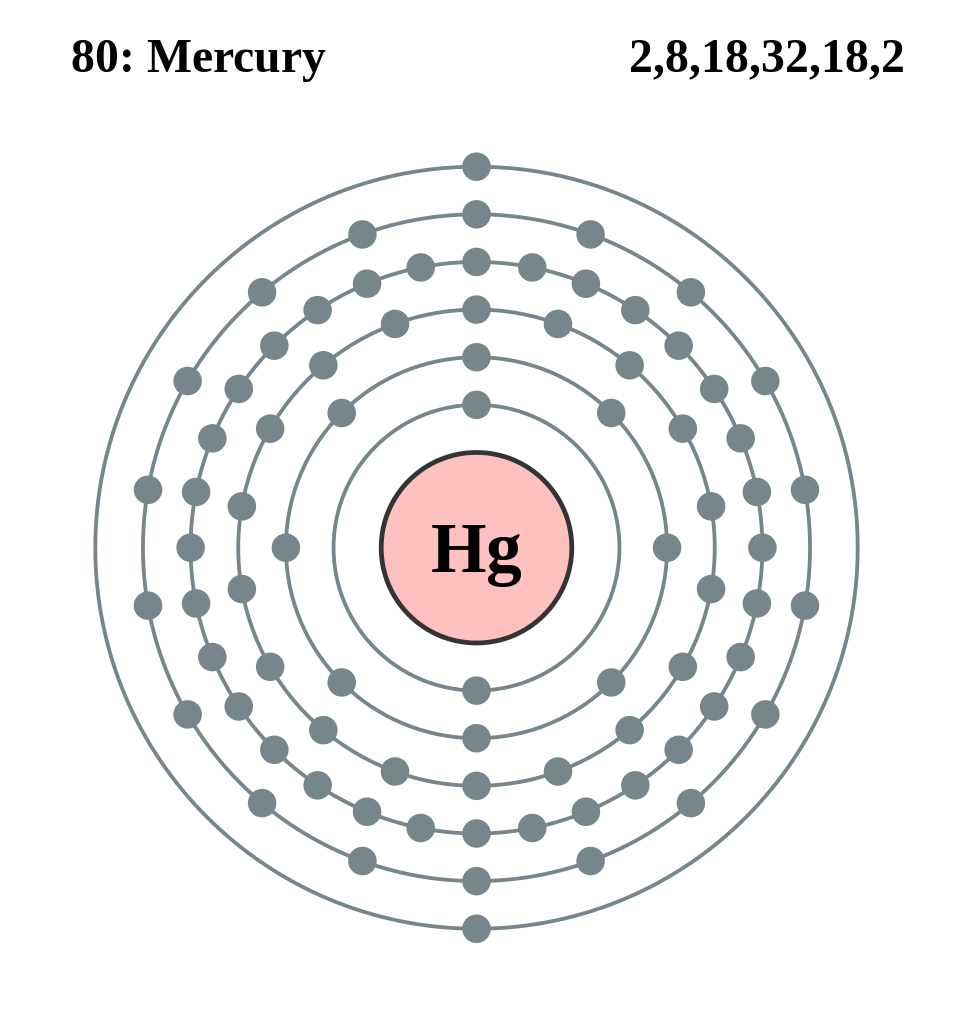
Atomic Number: 80
Mercury is the 80th element in the periodic table and it is the last transition metal. Mercury is the second element that is a liquid at room temperature. Touching liquid metal might sound fun, but it can be quite dangerous. Mercury is a very toxic or poisonous. This element can cause toxic effects on the nervous, digestive and immune systems. It can also harm your lungs, kidneys, skin and eyes. Mercury can be used in fluorescent lamps, and thermometers. It is a very rare element found in the Earth's crust. It is sometimes found in it's free state, but is usually found in ores such as cinnabar, livingstonite, and corderoite. Most of the time these ores are found in China and Kyrgyzstan. Mercury has been used since the ancient times. It can be dated back to 265 BC. The ancient Chinese and Hindus used mercury because it's been found in 3500 year old Egyptian tombs. Mercury's symbol comes from the word Hydrargyrum. It comes from the greek words "hydror" (meaning water) and "argyos" (meaning silver). |
|