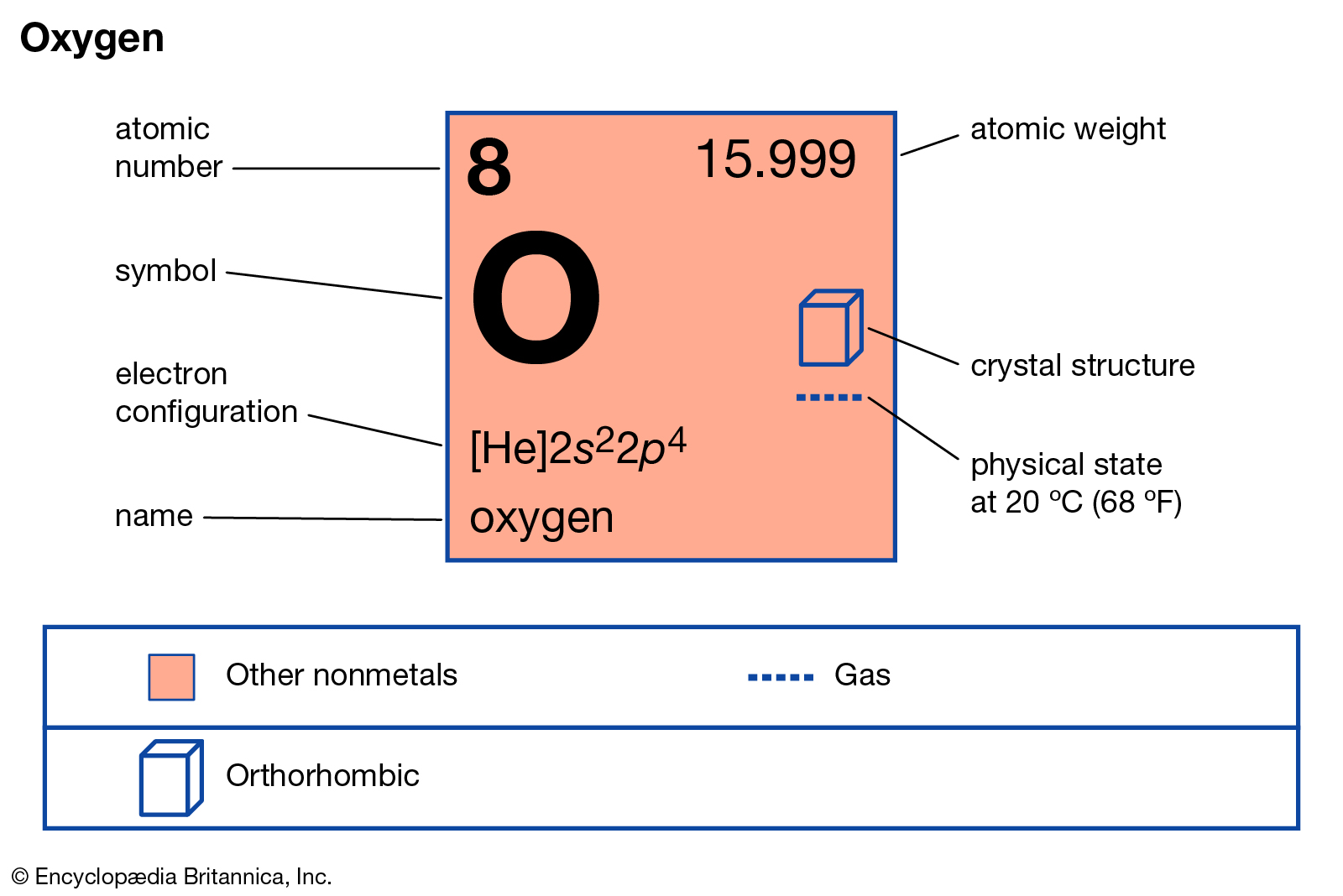
Oxygen
Atomic Number: 8
Oxygen is one of the most (if not the most) important element in the periodic table. Everyone knows oxygen is used for breathing for all living animals, insects and humans. Oxygen also makes the most important liquid, H2O. 21% of the air on earth is oxygen, and 71% is nitrogen. Oxygen is one of the chalcogens in the periodic table and is in the highly reative non-metals group. The element oxygen always comes as 2 molecules, that's why you see O2 instead of O more often. There are 17 isotopes of oxygen, but 99.76% of all the oxygen found is oxygen-16. Polish alchemist, philosopher, and physician Michael Sendivogius, described something in the air as 'cibus vitae' (food of life) which was refering to oxygen. But Joseph Priestley, is mostly rewarded for his dicovery of oxygen in 1774.
|
|