Carbon
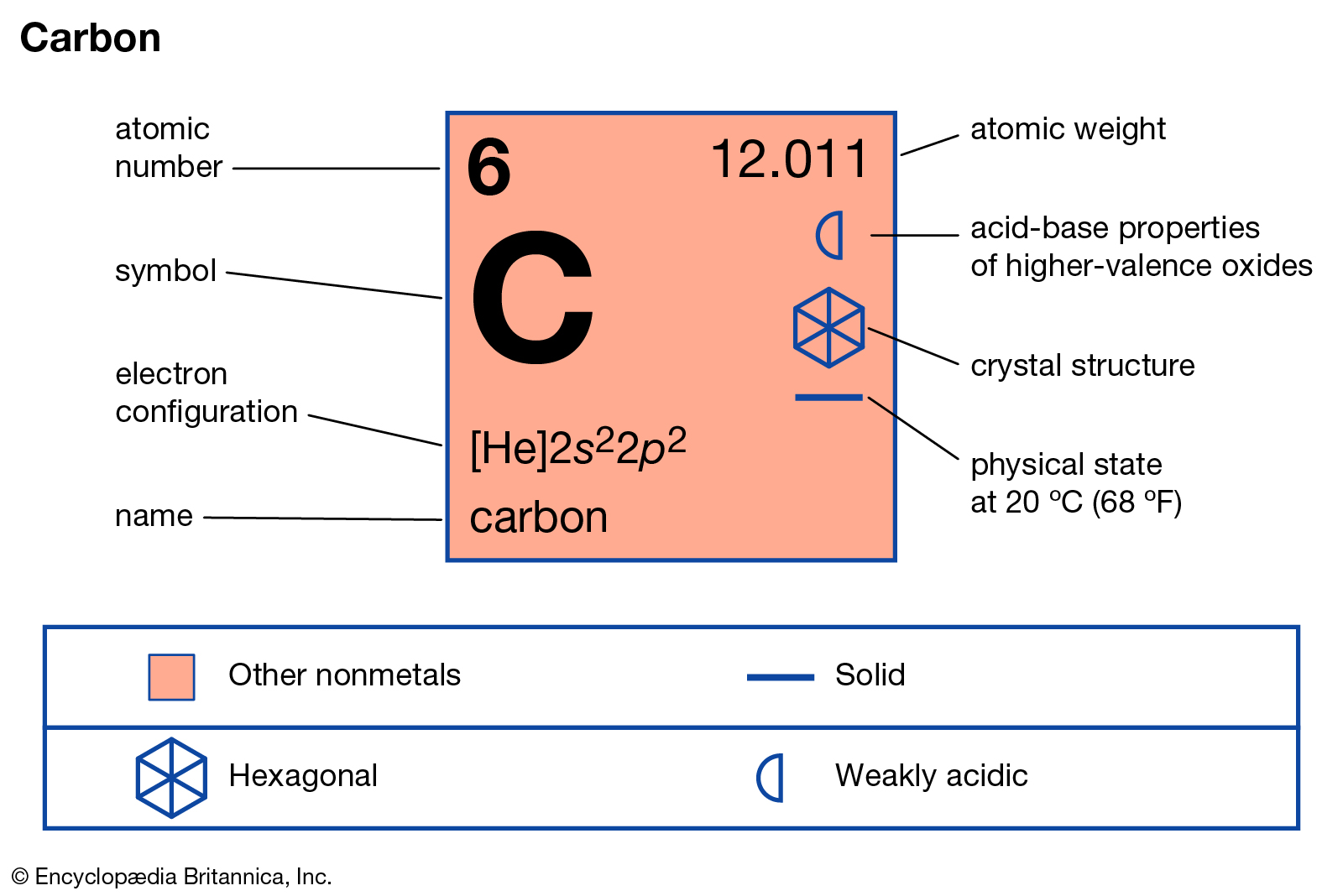
Atomic Number: 6
Carbon is one of the most useful elements in the periodic table. This element is a nonmetallic element and belongs to the reactive nonmetals, but it is sometimes considered a metalloid. Carbon is in group 14, and only takes up about 0.025 percent of the earths crust. It is found in the ground of the earth but also on planets and in the sun. Carbon is very usefully in industries in forms of coal, methane gas, and crude oil (which is used to make gasoline). These fuels are bad for the environment because they release carbon dioxide. Carbon is also used to make plastic which is very helpful at times, but also bad for the environment. Also, this element is 18% of the human body; sugar, glucose, and proteins. The word carbon comes from the latin word carbo which means coal. In 1722, René Antoine Ferchault de Réaumur and Antoine Lavoisier were the 2 leading chemists of finding out what carbon is, and what the properties are. But, there is no one person which discovered this important element. |
|