Caesium
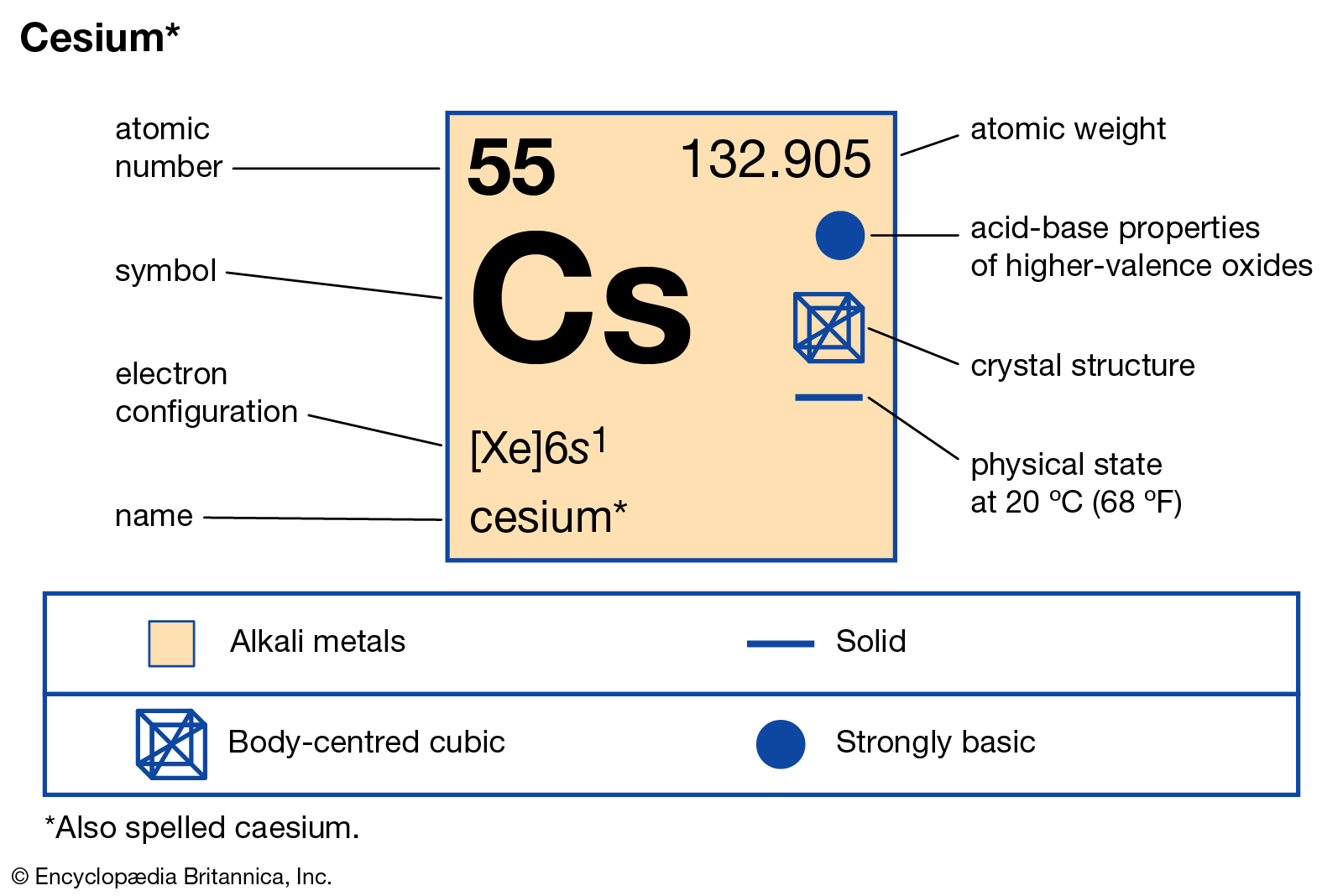
Atomic Number: 55
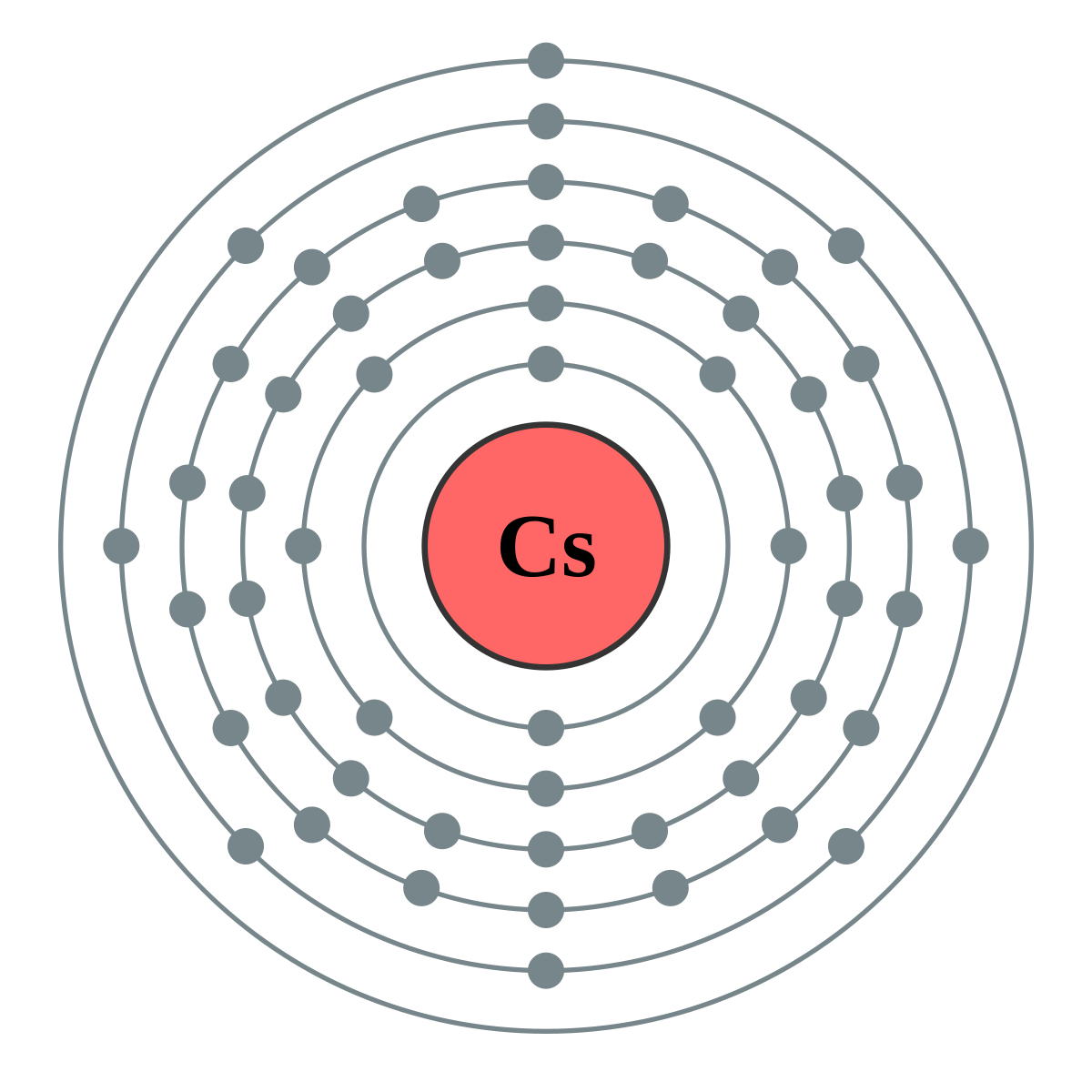
Caesium is the 55th element in the periodic table and it is an alkali metal. It is a soft, silvery-golden metal with a melting point of 28.5 °C which is quite special. This is beause it makes it one of only five metals that are (or are close to) liquid at room temperature. Certain isotopes of caesium (such as cesium-137) can be very radioactive which could damage cells and might also cause cancer. Caesium reacts explosively with water but that is common with most alkali metals. Caesium is found in the ground in ores and minerals such as pollucite and lepidolite. Pollucite is found in Bernic Lake (which is in Manitoba, Canada), and places in the USA. When this element is mined it is mostly a byproduct of the production of lithium. Cesium was discovered by Robert Wilhelm Bunsen and Gustav Robert Kirchhoff, German chemists, in 1860. The 2 German chemists also discovered Rubidium a year before, the alkali metal above caesium.
|
|