Potassium
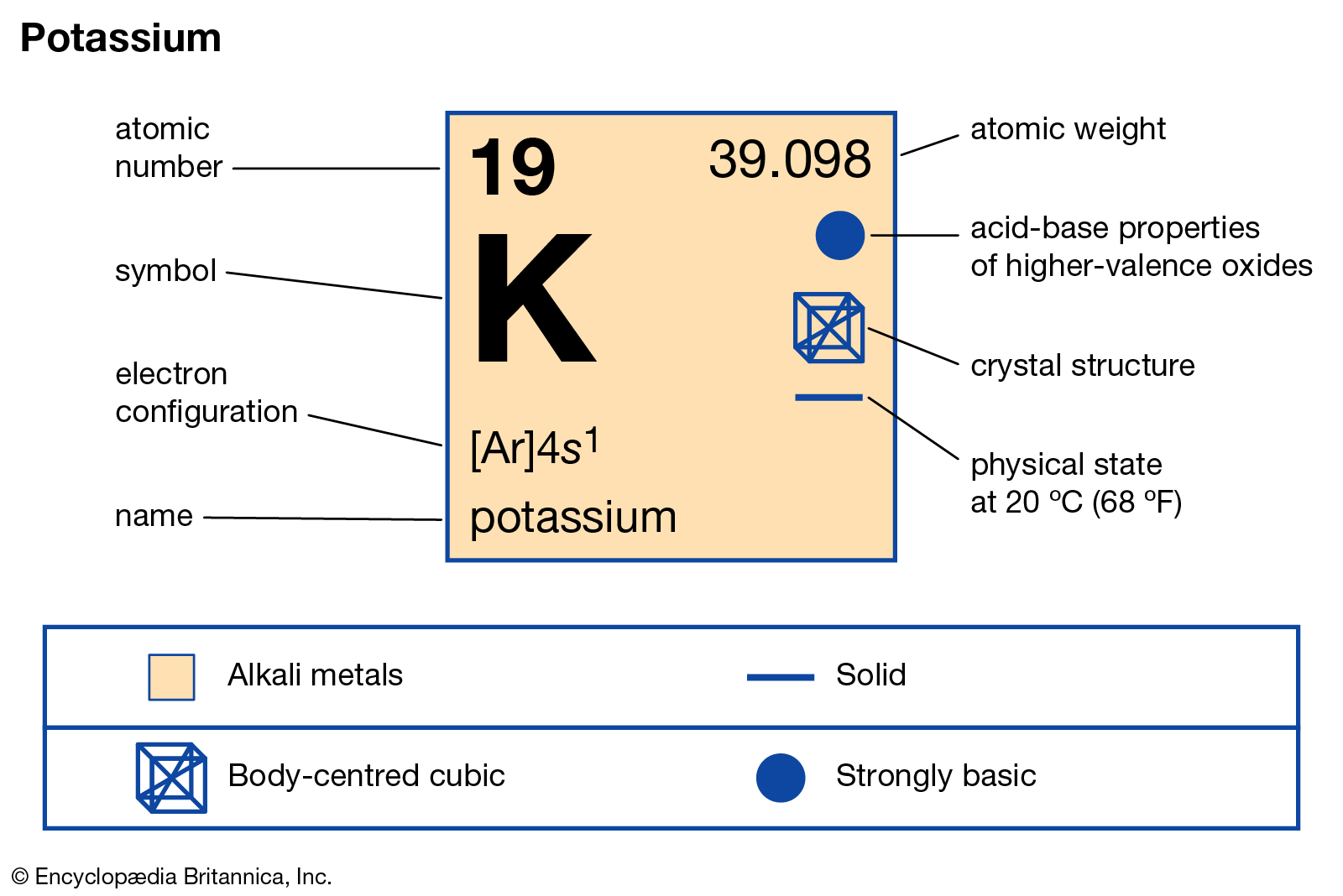
Atomic Number: 19
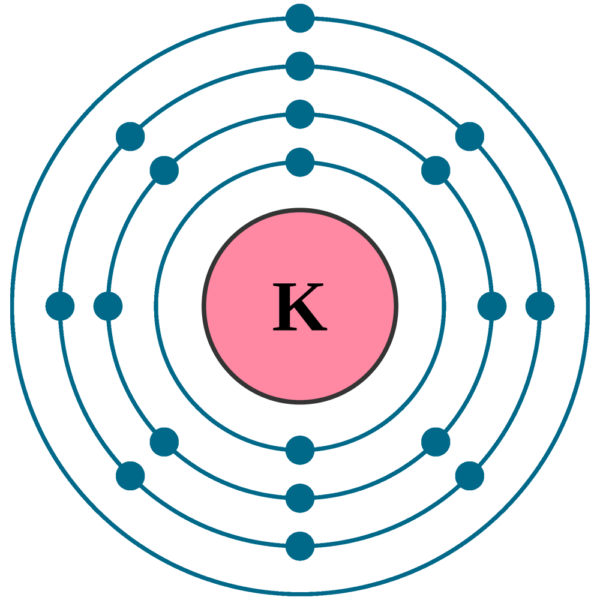
Potassium is the 19th element in the periodic table and it is the 3rd alkali metal. It is a silvery-white metal that is so soft that it can be cut through with a knife because of it's low density. Potassium is important to the body because it makes your muscles work (including the muscles that control your heart and lungs). Foods such as bananas, oranges, avocados, cooked broccoli, potatoes, mushrooms, peas and cucumbers are high is potassium. The symbol K comes from the word kalium, the Latin word for "potash". Potash (potassium chloride) is made with potassium and is used in approximately 95% of all fertilizers to support plant growth. This element is relatively abundant and is 1.5% of the earths crust. The man that discovered this element was Humphry Davy in 1807.
|
|