Silicon
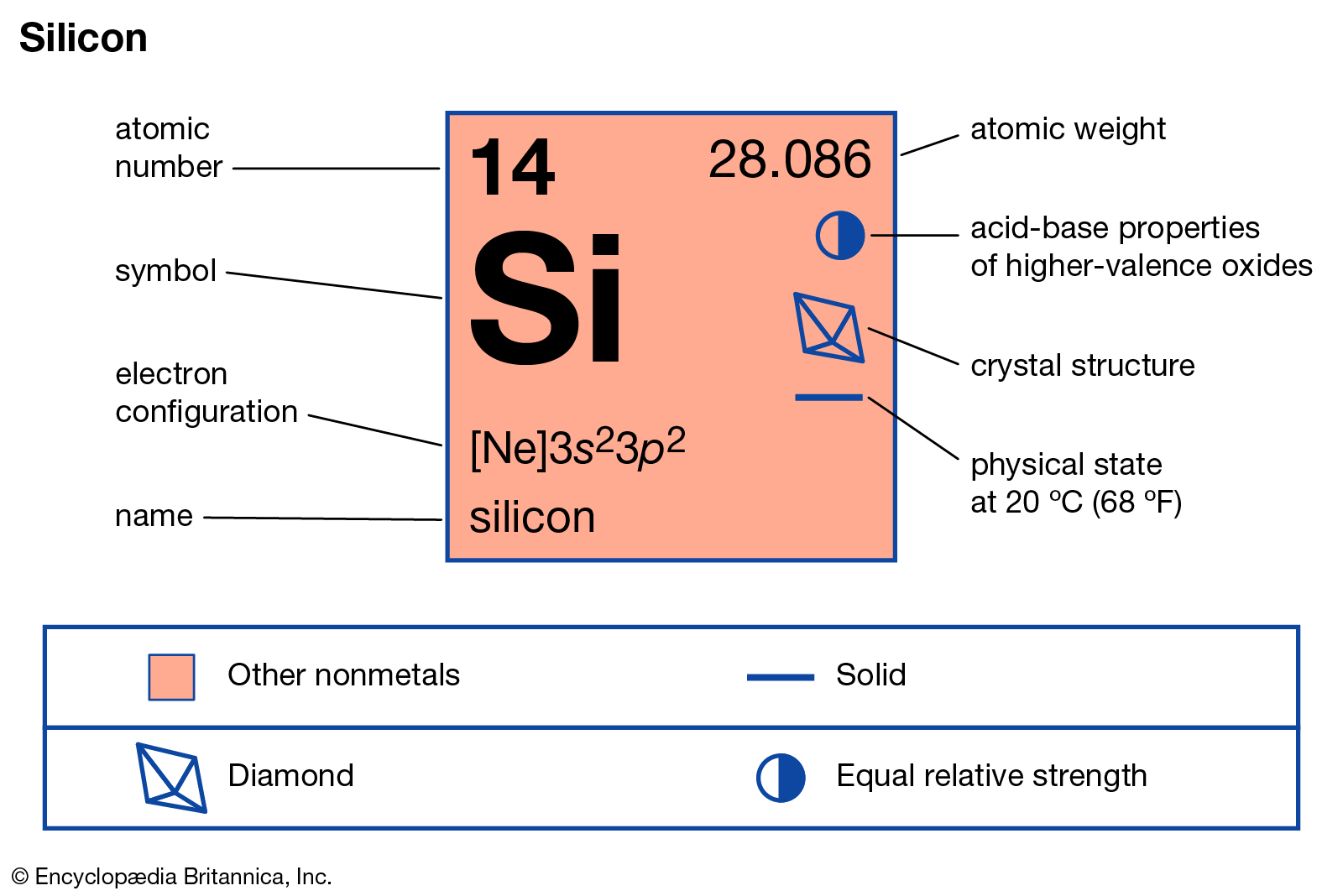
Atomic Number: 14
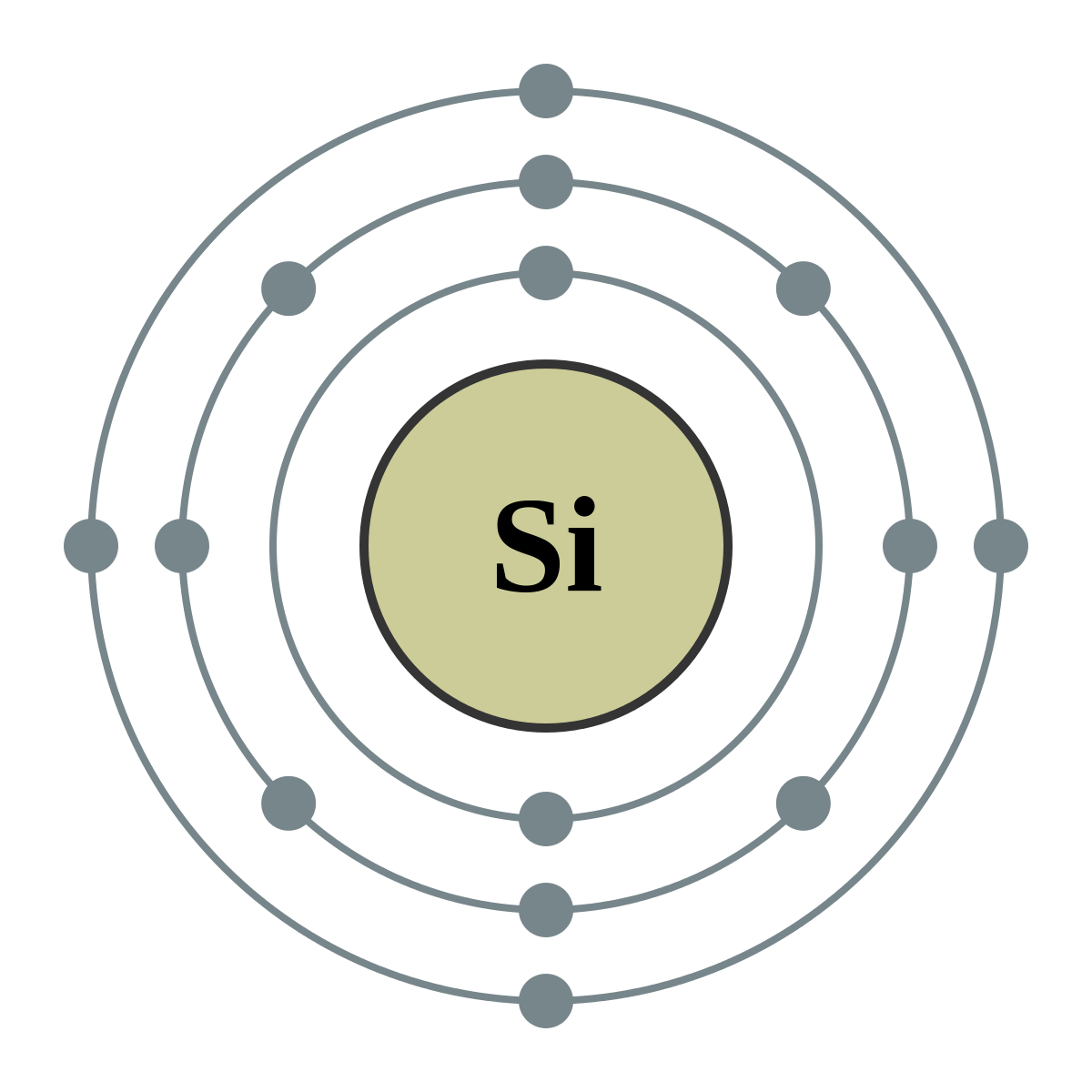
Silicon is the 14th element in the periodic table and it a dark grey hard solid. This element is one of the metalloids. On the periodic table, it is in the 14th group with carbon above it. Silicon is one of the if not the most abundant element in the earth's crust. That is because it makes many different rocks, sand, and clay. Sand is especially abundant as it is found on beaches and under the sea. Silicon is 28% of the Earth's crust and is the second most abundant element (oxygen is the first). Silicon can have many uses in technology, ceramics, and bricks. There are 23 isotopes of silicon and most common one (92.2 of all silicon) found is silicon-28. Jöns Jacob Berzelius, a swedish chemist, disovered silicon in 1823. The name, silicon, is derived from the Latin word 'silex' or 'silicis', meaning flint.
|
|