Aluminum
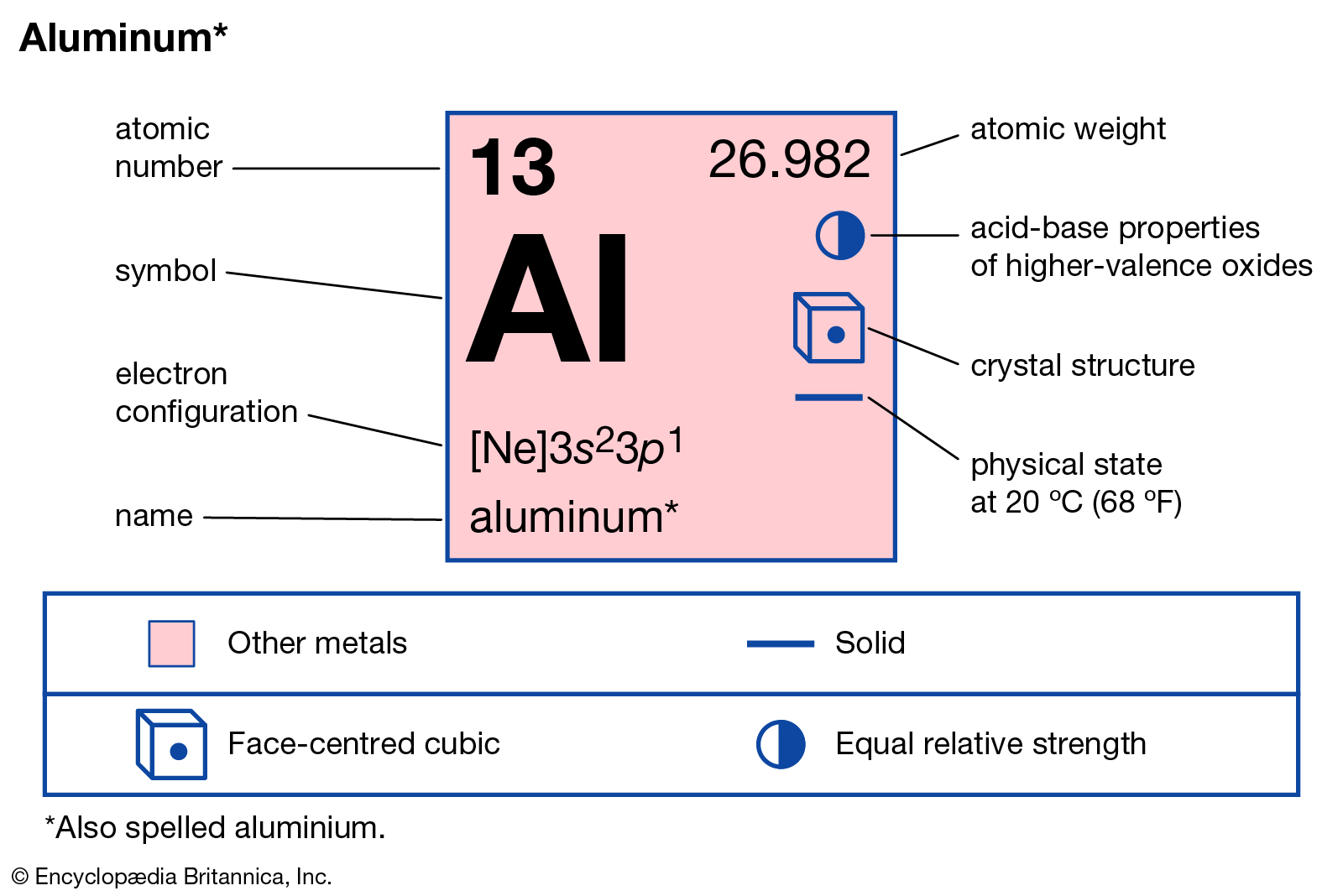
Atomic Number: 13
Aluminium is a silvery white metal and it part of the post-transition metals. Aluminium is the most abundant metallic element in the earth's crust and one of the most used metals. It is not found as aluminium in the earth though. It's natural state in the groud is aluminum ore (bauxite), and must be mined and chemically refined to be turned into aluminium. Aluminium is very light because it has a density lower than those of other common metals. The density of aluminium is around one third the density of steel. This element is used in so many products because of this, and is used in airplane parts, kitchen utensils, foils and more. It is also used often because it doesn't rust, it's recyclable, and is very resistant to heat. The man that discorvered aluminium is a Danish chemist, Hans Christian Oersted, in 1825. Aluminium was named after the Latin word, "alumen".
|
|